WASTE IN TIME – 2019
‘Waste in time’ is an environmental art piece addressing the long-term geological effects of plastic waste and mass consumption. It uses photography and two opposing metaphorical sculptural representations of the future of plastic in the geological environment. They reflect on the contrasting philosophies for the future of waste management and the plastic crisis, echoing environmental debates of today between consumption, waste and fuel. With the aim to avoid typical green campaigning but instead pose questions about the visual appearance of the landscape in years to come, it allows a space for forward thinking.
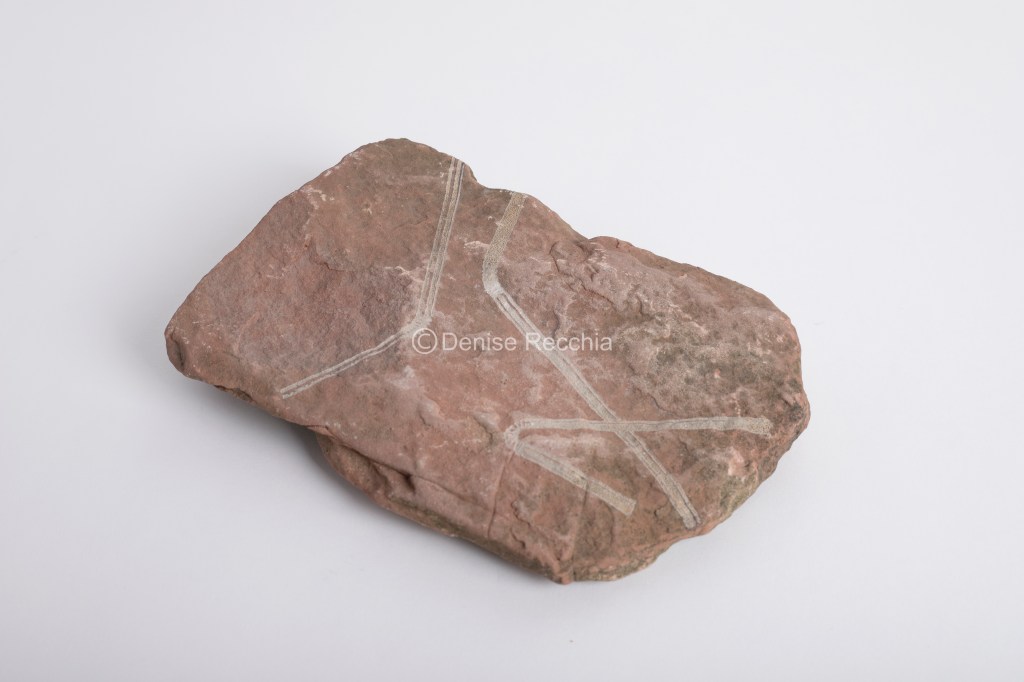
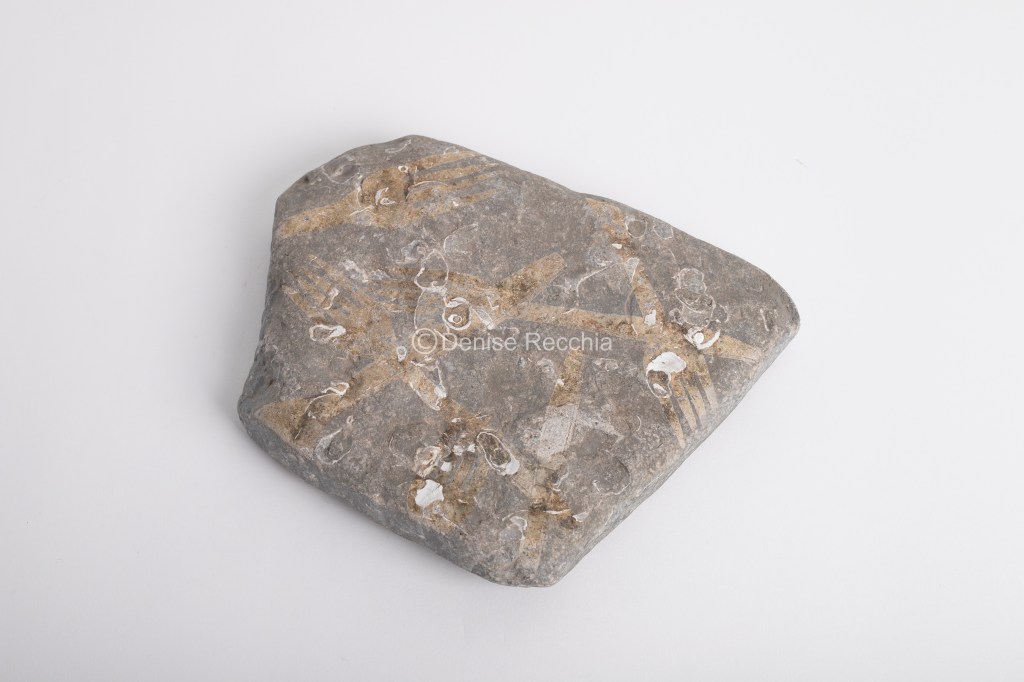
Fossils within a museum reflect upon past environments, extinction, and fragility of the planet, a powerful symbol used to contemplate what will remain after the Anthropocence, the era of man and technology. This is demonstrated through engraving images of plastic waste found on the beach into rock to imitate the fossilisation process, revealing the worst offending and most frequently found items.
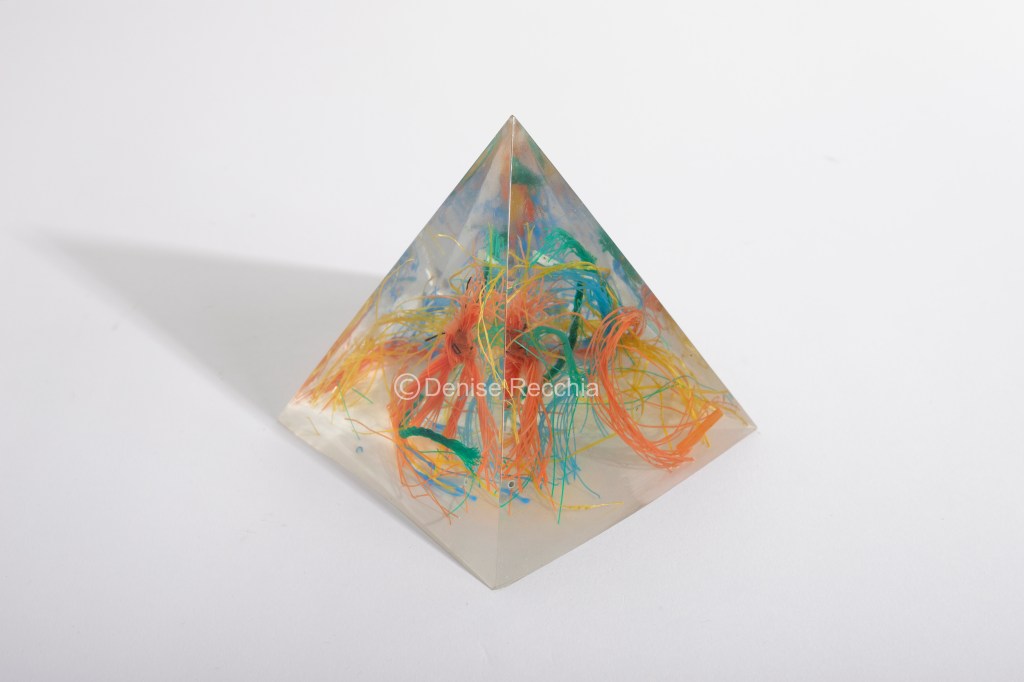
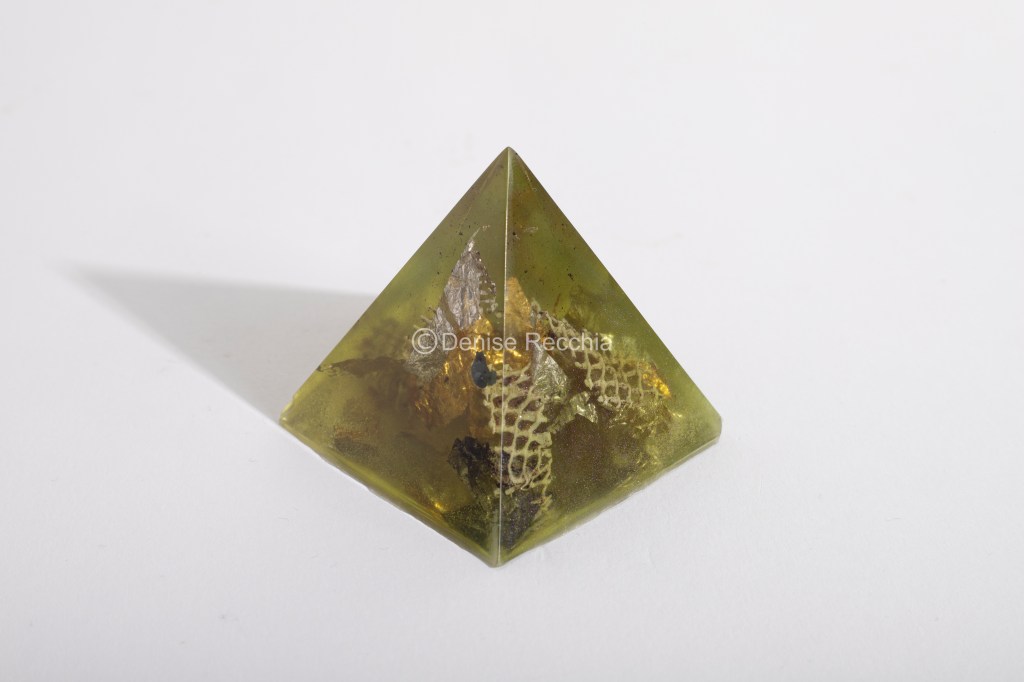
Opposingly, precious gemstones a metaphor for the limited natural resources and their need for protection. Treating plastic not as easy disposable material, symbolising a future of producing less, wasting less and recycling more. The contents of the gems are residual waste, unable to be recycled back into their respective products but prevented from entering landfill to be turned into RDF and SRF, a substitute fuel to coal and oil to provide greener energy.
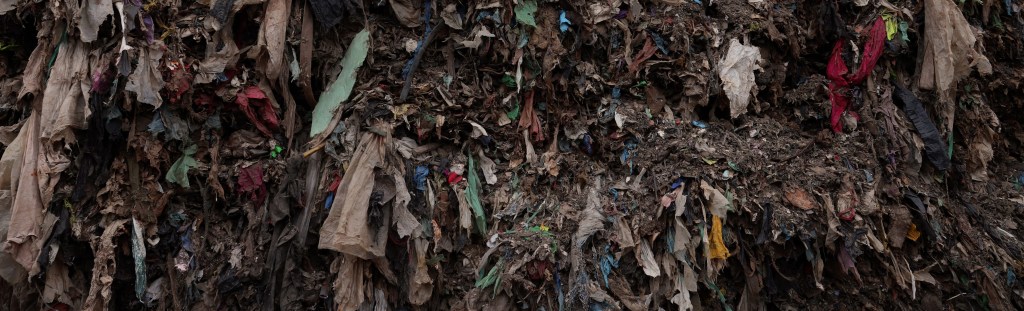
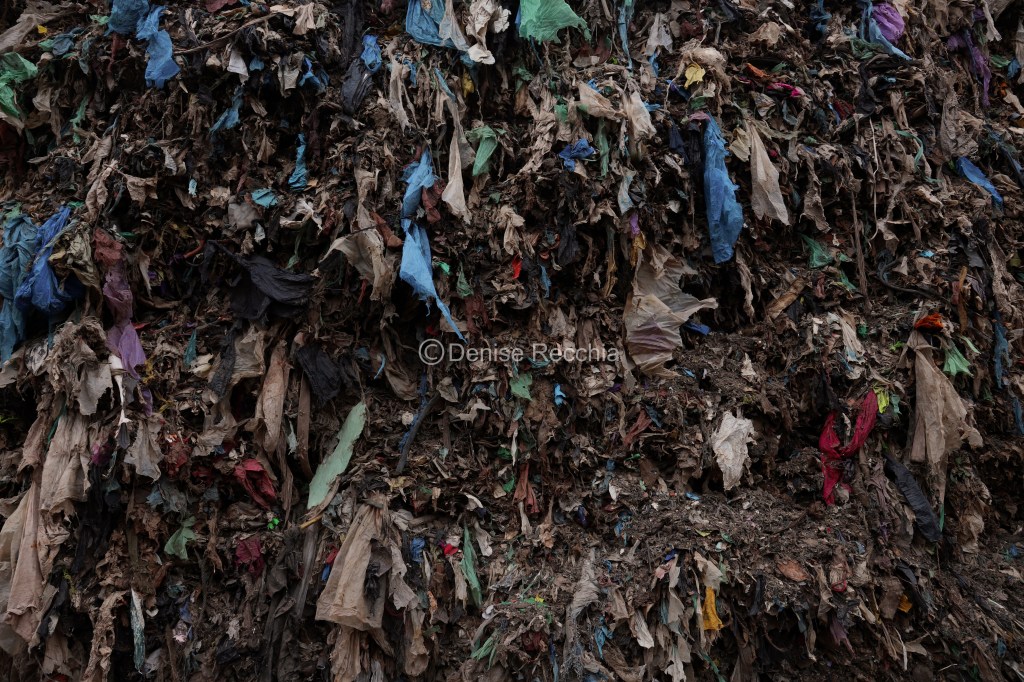
The contrasting themes continue through using traditional landscape photography tropes on a contemporary and futuristic environment. The use of large format film alludes to the romanticised landscape of the 1930s. The image captures a small proportion of the waste that enters Atlantic recycling centre Cardiff for recycling, hazardous soil treatment, demolition waste recycling, RDF and SFR production.
Collectively, this piece reflects on a changing society and environment, using traditional artistic traits of the past to criticise present issues, and educate about the future. Its primary purpose is to provoke deep thought about short and long term solutions to the plastic epidemic whilst simultaneously raising awareness about our naivety of the processes beyond the recycling bin.

Waste Cliff
 Denise Recchia Photography